Estimated reading time: 13 minutes
Hello, brave Seekers and wise Wayfinders!
This article is about Empowerment and Mental Health. It shows how taking control is the key to managing your well-being. Do you often feel like a passenger? Do you watch your life happen instead of driving it? Many people feel stressed or burned out because they have given away their personal power. We will show simple ways to take back the steering wheel. You can finally feel like the true captain of your own life. Have you lost your peace? Do you feel pressure from everyone else? Are you ready to stop feeling helpless?
Key Takeaways
- Empowerment and Mental Health focuses on taking control of your life to improve well-being.
- Achieving empowerment involves understanding the Internal Locus of Control, which influences mental health and self-efficacy.
- Balanced empowerment leads to emotional resilience, authentic boundary-setting, and healthier relationships.
- Imbalanced empowerment results in a Tyrant or Victim mindset, affecting mental health negatively.
- Practical strategies like ‘Power Pause’ and positive self-talk cultivate mental health empowerment in daily life.
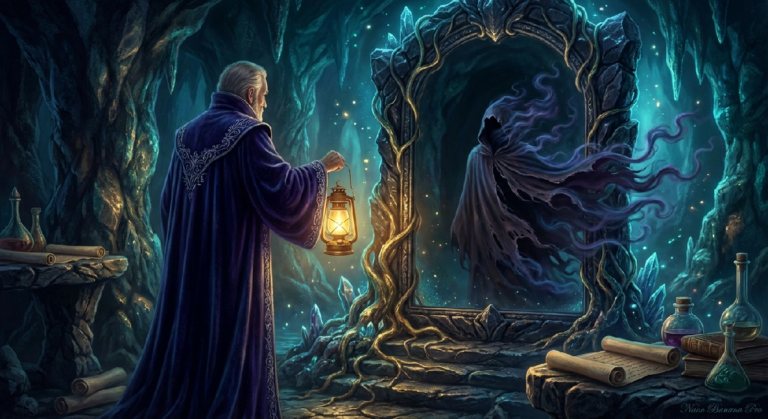
If you’ve been following our journey, you know we are walking a path. This is the Hero’s Journey, where every challenge is a portal to a deeper truth. As a therapist, I have walked alongside many of you. We navigate the dark forests of doubt and the valleys of uncertainty. I often see a recurring shadow in my practice. It’s not a lack of ability, nor a lack of desire. Instead, it’s a quiet, gnawing feeling. It feels like the steering wheel of your life has been handed to someone else.
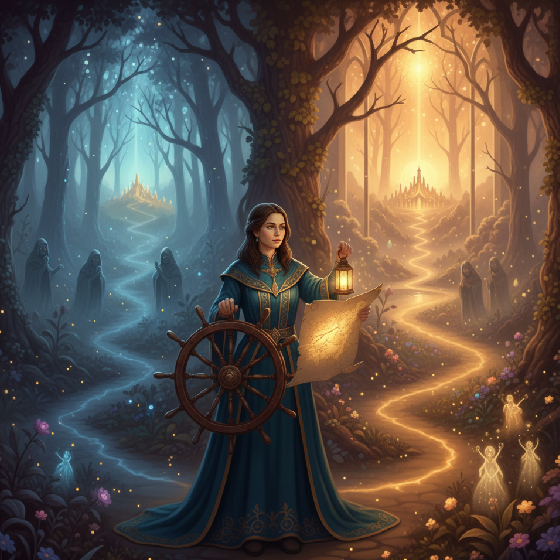
In earlier conversations, we explored the landscape of your lifepath. Today, we stand at a critical crossroads. The initial challenge many of you face isn’t just “stress” or “worry.” It is a disconnection from your own agency. You might feel tossed by the waves of emotion or the expectations of others. But here is your “aha” moment: Empowerment and Mental Health are two sides of the same coin. Empowerment is not about controlling the waves. It is about learning to captain your ship.
You need an unshakeable belief in your own navigation skills. It is the deep, resonant knowing that you are the author of your next chapter. This article will guide you to find that pen. We will dip it in the ink of self-awareness. You will write a story of mental well-being that is authentically, unapologetically yours.
The Core Connection: Understanding Empowerment and Mental Health
When we speak of Empowerment, we are often met with a misunderstanding. We might think of power suits, loud voices, or dominating a boardroom. However, true empowerment is far more subtle. It is infinitely more profound. It is an internal state of being, where a quiet hum of alignment says, “I am safe to be Me.” For the Seeker on the path to personal growth, empowerment is the antidote to the paralyzing grip of helplessness.
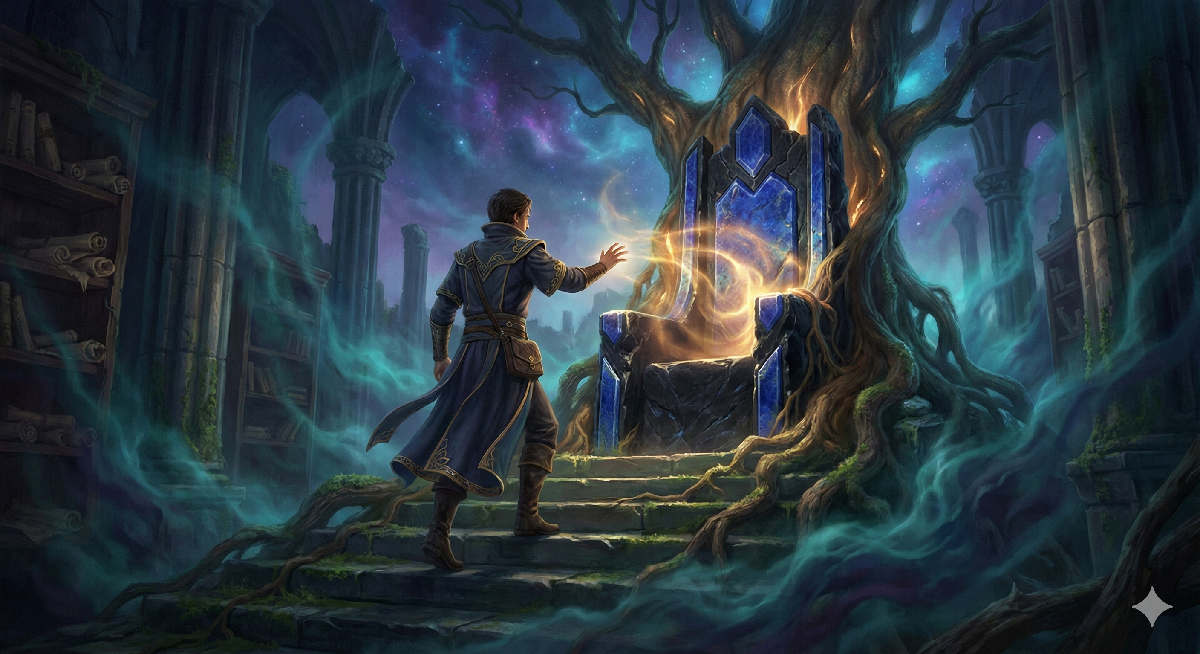
Think of your mental landscape as a vast kingdom. When we lack empowerment, the throne is empty. Anxiety sits there, dictating laws of fear. Depression sits there, issuing decrees of hopelessness. But when you cultivate your mental health with empowerment, you gently and firmly take your seat on that throne. You don’t banish the emotions; a good ruler listens to all their subjects. Importantly, you decide the course of action.

This shift is critical. It moves you from a reactive state (“Life is happening to me”) to a creative state (“I am co-creating my life”). This change is vital for better managing conditions like chronic stress and generalized anxiety.
The Power of Internal Locus of Control
The psychological concept underpinning empowerment is the Locus of Control or Focus of Control. This concept describes where you believe the control over your life resides.
- External Locus of Control: You believe outcomes are due to external forces. These forces include fate, luck, or the actions of powerful others. This viewpoint often leads to feelings of helplessness and high anxiety.
- Internal Locus of Control: You believe outcomes are primarily a result of your own actions and efforts. This perspective is directly linked to higher self-efficacy, better goal achievement, and superior mental health.
When you pursue Empowerment and Mental Health, you are actively shifting your locus of control inward. You are learning to accept responsibility for your response, even if you cannot control the initial event. This is the ultimate act of agency.
Let’s look at a real-world example. Consider “Gabriella,” a healthcare professional I worked with. She was a classic helping and caring Wayfinder—talented and empathetic. However, she was perpetually exhausted. She described her life as a series of “have-to’s” and felt she had to take underpaying clients. She also felt she had to fix her family’s drama. Her mental health was fraying because she had outsourced her authority.
The twist in her story came when she changed her internal dialogue, not her job. She realized that every “yes” she gave to others was a “no” to her own inner peace. The moment she set her first firm boundary—declining a project that drained her soul—she didn’t feel guilt, as she expected. She felt a surge of energy. That was the spark of empowerment! It wasn’t aggression. It was the reclaiming of her own energy field. This is what Empowerment and Mental Health can mean for you: the realization that you hold the keys to your own emotional sanctuary.
The Two Sides of Agency: Balanced and Imbalanced Empowerment

To truly master this energy, we must understand its nuances. Empowerment, like any force in our universe, can manifest in balanced or imbalanced ways. As Seekers, our goal is to find the “Middle Way”—the sweet spot. This is where our power serves our highest good and the good of those around us.
Balanced Empowerment: The Foundation of Self-Efficacy and Resilience
Focusing on positive, balanced manifestations is essential for mental health empowerment. The concept of self-efficacy (your belief in your ability to succeed) is key. When your power is balanced, you build true inner strength.
- Emotional Resilience and The Witness Consciousness: When you are empowered, you are not swept away by every emotional storm. You develop a “witness consciousness”—a form of self-awareness. This allows you to observe your feelings without drowning in them. You can say, “I feel anger,” rather than becoming the anger. This separation creates a critical buffer. It protects your mental well-being.
- The Power of “No”: Authentic Boundary Setting: Balanced empowerment allows you to set boundaries from a place of love, not defense. You understand that “No” is a complete sentence. This protects your physical energy. It aids in nervous system regulation. Furthermore, it safeguards your mental space. This significantly reduces the chronic stress that leads to burnout in helping professions.
- Proactive Decision Making and Internal Locus of Control: Instead of paralysis by analysis or waiting for permission, an empowered individual trusts their intuition. You make choices aligned with your core values. This reduces the mental load of constant second-guessing and worry. Consequently, it fosters a sense of clarity and purpose on your lifepath.
- Interdependence: Fostering Harmonious and Empowered Relationships: Paradoxically, when you are fully in your power, you don’t need to overpower others. You become a safer person to be around. Your relationships shift from codependency (needing others to validate you) to interdependency. Interdependency means two whole individuals sharing a journey. This is the foundation of long-term inner peace.
- Somatic Empowerment – Connecting Agency to Physical Vitality: Empowerment and Mental Health isn’t just in the head; it’s also somatic. A balanced sense of power relaxes the psoas muscle (the muscle between the lower back and upper leg, for elevating and flexing the leg). Crucially, it also calms the fight-or-flight response. You might notice deeper breathing. You may find a more upright posture. You could experience a reduction in tension headaches or digestive issues related to anxiety.
The Shadow Side: Recognizing Imbalanced Power (Tyrant vs. Victim)
However, we must be vigilant. When the quest for power comes from a place of fear or wounded ego, it creates imbalance. This is not empowering for your mental health.
- The Tyrant (Over-active): This is empowerment distorted into aggression or control. It stems from a deep fear of vulnerability. You might steamroll others. You may refuse to listen. Alternatively, you might become rigid in your views. This distorted power leads to isolation. It results in a brittle form of mental health that cracks easily under pressure.
- The Victim (Under-active): Here, power is abdicated entirely. You might fall into “learned helplessness.” This means believing that nothing you do matters. This state is a breeding ground for depression and anxiety. The Seeker feels lost in the woods without a compass. To truly integrate your personal power, you must confront this shadow.
Research in positive psychology and self-determination theory consistently shows that autonomy—the feeling that your life is self-chosen—is one of the strongest predictors of happiness. When we cultivate balanced empowerment, we are not just “feeling better.” We are more likely to experience lower levels of cortisol (the stress hormone). Furthermore, we experience higher levels of life satisfaction. The hope here is immense: you are not broken!
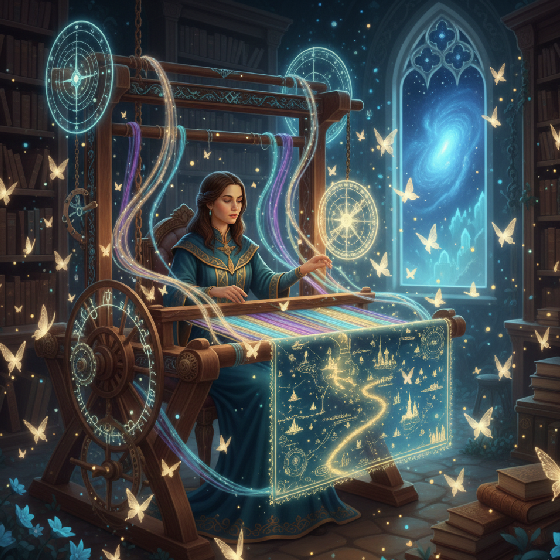
You are simply in the process of tuning your instrument. By striving for this balance, you move from surviving to thriving. You become a beacon of personal growth for everyone around you.
The Hero’s Journey: Empowerment as the Elixir of Life
Let’s zoom out and look at the map of your life. In the classic Hero’s Journey, there is a stage called the “Return with the Elixir.” Empowerment is that elixir! It is the wisdom you gain after facing your inner dragons. and where it connects to the broader theme of emotional health. It addresses the underlying fundamental question: Who am I, and what am I here to do?
In our daily lives, this connection is vital. We live in a world that profits from our insecurity. Advertisements, social media algorithms, and societal pressures are designed to make us feel “less than”—less successful, less beautiful, less happy. To practice empowerment is a radical act of rebellion. It is to say, “I am enough!” This perspective grounds you in a sense of purpose. This purpose transcends the daily grind. When you are empowered, you are not just working a job. You are fulfilling a vocation. You are not just raising a family, but you are nurturing the next generation of souls.
Real-World Empowerment Examples for Your Daily Life
Think about the “Sunday Scaries”—that dread that sets in before the workweek.
- An unempowered response is to numb out with television and dread the morning.
- An empowered response? It might look like taking an hour on Sunday to meal prep (an act of self-care). Alternatively, it might be the courageous decision to finally update your resume. You know you deserve a workplace that values you.
Or consider a family gathering where a relative makes a critical comment about your life choices.
- The old you might have shrunk, absorbed the shame, and replayed the moment for days (worry).
- The empowered Wayfinder in you pauses. You take a deep breath. You realize, “Their opinion is a reflection of their map, not my territory.” You might smile and change the subject. You might gently correct them. Either way, you keep your inner peace. You have protected your energy field! This is the daily practice of Empowerment and Mental Health.
Actionable Strategies: How to Cultivate Mental Health Empowerment
To fully embrace this journey, here are practical tools to help you integrate personal power into your daily routine.
- The “Power Pause” (Strategy for Boundaries): When you feel overwhelmed or pressured to agree to something, insert a pause. Say, “I need to check my calendar/energy and get back to you.” This simple gap creates space for empowerment to enter. It prevents reactive commitments. This builds your resilience over time.
- Rewrite the Script (Strategy for Self-Talk): Catch your inner critic in the act. When you hear “I can’t,” change it to “I am learning to.” When you hear “I have to,” change it to “I choose to.” This linguistic shift literally rewires your brain. It promotes self-awareness and agency.
- Connect with Your “Why” (Strategy for Purpose): When you feel lost, go back to your values. Ask yourself: Why are you doing what you are doing? If you can’t find a “why” that aligns with your soul, it might be time to change the “what.” This deep connection to your core values is a steady anchor. It ensures your path is always self-chosen.
- Practice Affirmations for Agency: Start and end your day with statements that reinforce your internal locus of control. For instance: “I am the authority in my life.” or “I choose my own response to every challenge.” Consistent repetition helps to integrate the feeling of empowerment at a subconscious level.
- Mastering Emotional Accountability: Understand that while you cannot control your first emotion, you are accountable for the story you tell yourself about it. This is true empowerment. It means recognizing that your feelings are data, not destiny. This approach separates your identity from your temporary emotional state.
🌟 Conclusion & Call to Action

My fellow travelers, the journey to Empowerment and Mental Health is not a sprint; it is a pilgrimage. There will be days when the sword feels too heavy to lift, and that is okay. The Hero is not the one who never falls. The Hero is the one who rises, dusts off their knees, and continues the quest with a renewed heart.
As you integrate these insights, remember that you are never walking alone. We are a community of Seekers, exploring the stars and the soul together. I invite you to join our growing community to stay updated with the latest news about mental health, astrology, and Chi Kung related articles for deeper dives into these cosmic currents. You can find practical tools for your daily life and strengthen your commitment to empowerment.
Key Takeaways:
- Empowerment and Mental Health is the fundamental shift from being a passenger to becoming the captain of your own emotional ship.
- True power is balanced and rooted in self-efficacy: it is boundary-setting, emotional resilience, and authentic expression, not control or aggression.
- Your mental well-being thrives on autonomy. Reclaiming your agency is the most effective way to reduce anxiety and burnout.
- You are the Hero of this story. Every challenge is an opportunity to reclaim a piece of your personal power.
Until we meet again on the path, may you find the strength in your own heartbeat and the wisdom in your own soul. Walk well, Wayfinders!