Estimated reading time: 8 minutes
A New Reality in Traditions
Hello, Wayfinders and Seekers. It’s a joy to be with you again on this incredible journey we call life. In my practice as both a therapist and an astrologer, I often see a similar look in the eyes of my clients—a look of worry, of feeling lost, of questioning their life’s direction. They often come from a helping or creative profession. Describing feelings like their compass is spinning, unable to find true north. They are beautiful souls seeking solutions, trying to navigate the complex situations life throws their way—be it with their career, their family, or matters of the heart.
Key Takeaways
- Integrating modern planets in traditional astrology, like Uranus, Neptune, and Pluto, provides fresh insights into personal growth and self-awareness.
- Traditional astrology focuses on visible planets but lacks the perspective modern planets offer on collective energies and societal changes.
- Viewing modern planets as transpersonal influences enhances the understanding of traditional planets, allowing for deeper interpretations of birth charts.
- Case studies show how modern planets affect traditional houses, revealing unique career paths and personal challenges.
- Connecting individual experiences with the collective consciousness illustrates the universal significance of personal struggles and growth.
This is where our shared journey truly begins. You, the hero of this story, have been on an incredible path, and sometimes that path feels a little muddy. You’ve been working with the tools you’ve had, but what if there were more?
What if you could add a new, powerful lens to your astrological toolkit? Today, we’re diving into a topic that might just provide one of those crucial “aha” moments you’ve been looking for. We’re going to explore how to use the modern planets—Uranus, Neptune, and Pluto—within a traditional astrological framework.
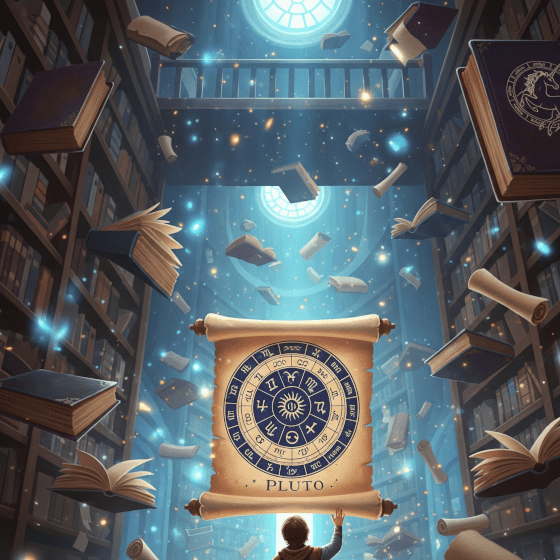
It’s like finding a new map in an ancient library, and suddenly, the path ahead becomes clearer, more purposeful. You’re not just a passive passenger; you’re the captain of your ship, and we’re about to give you some new instruments for navigation. This is a journey of empowerment, a quest for deeper self-awareness, and a path to significant personal growth.
The Relevance of Integrating Modern and Traditional Astrology
The traditional system of astrology, which has guided humanity for thousands of years, focuses on the seven visible planets: the Sun, Moon, Mercury, Venus, Mars, Jupiter, and Saturn. These planets represent the core archetypes of human experience—our identity, emotions, communication, values, drive, expansion, and boundaries. This system is a powerful, elegant machine, and it works beautifully to describe our innate potentials and challenges. It’s a bit like having a perfectly tuned classic car; it gets you where you need to go with style and grace.
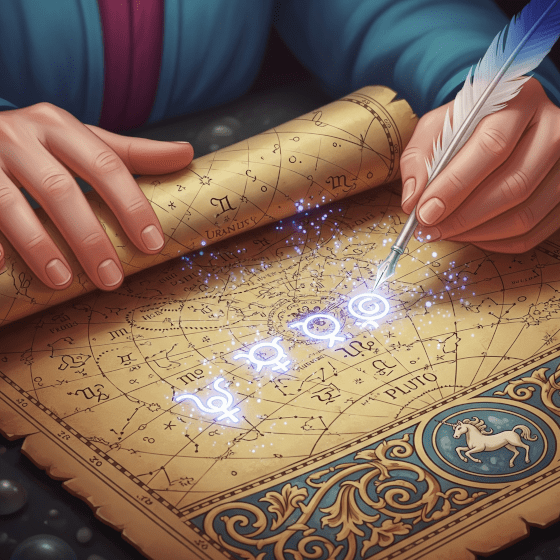
But then, as humanity’s consciousness expanded, so did our astronomical knowledge. In the 18th, 19th, and 20th centuries, we discovered the “modern planets”: Uranus, Neptune, and Pluto. These celestial giants are like the powerful, unseen forces of the cosmos, representing collective, generational, and transformative energies. They speak to the vast currents of change that sweep through our lives, shaping not just our individual destinies, but the very fabric of society.
So, why is this astrology topic so relevant for you, a modern Seeker? Because life isn’t just about the personal challenges we face; it’s also about the larger-than-life forces that can feel overwhelming. By integrating these modern planets in traditional astrology, we create a more holistic, more nuanced picture of our life’s journey. It’s about taking that classic car and adding a GPS, a powerful engine upgrade, and some cosmic airbags—suddenly, you’re ready for any road, any terrain. It’s an empowering act of integration that enhances our awareness and supports our personal growth.
Interpreting Modern Planets in a Traditional Astrological System
Let’s get down to the brass tacks and talk about how these modern planets function within a traditional system. Traditionally, each sign and house was ruled by one of the seven classical planets. For instance, Mars ruled both Aries and Scorpio, and Jupiter ruled both Sagittarius and Pisces. When Uranus, Neptune, and Pluto were discovered, modern astrologers assigned them new rulerships: Uranus to Aquarius, Neptune to Pisces, and Pluto to Scorpio. The challenge, however, is that this can sometimes obscure the original, powerful meanings of the traditional planets.
Here’s an “aha” moment for you: Instead of thinking of modern planets as new rulers, let’s view them as powerful, generational “transpersonal energies” that influence and transform the traditional planets and houses they touch. Think of them as visiting teachers who bring new lessons to the traditional curriculum.
Let’s use a real-world example. Imagine you have a strong, traditionally-ruled Libra stellium, focused on relationships and harmony (ruled by Venus). Life has always been about partnerships, balance, and diplomacy for you. But what happens when the planet Uranus—the great awakener and revolutionary—transits your seventh house of partnerships? A traditional interpretation might focus on the transit’s effect on Venus’s domain. A modern-traditional approach would say, “Hey, this isn’t just about a change in relationships; this is about an earthquake of originality and radical freedom shaking up your very understanding of what a partnership should be!” It’s a wake-up call, a bolt from the blue that says, “Your old rules of engagement? We’re rewriting them, baby!” This is where empowering insights truly come alive. You’re not just reacting to a transit; you’re recognizing the powerful, transformative forces at play, which is a significant step in self-awareness.
Applying Modern Planets to Your Birth Chart: Case Studies
Extending this idea, let’s see how this plays out in a birth chart. When we find a modern planet sitting in a traditional house, or making an aspect to a traditional planet, it’s not just a footnote; it’s the cosmic equivalent of a bold headline. For example, let’s consider Pluto—the lord of the underworld, death, and rebirth. If Pluto is aspecting your Sun (your life’s purpose and vitality, your authetic self-expression), it’s not just a tough aspect. Even more, it’s an invitation to a profound, transformative journey. Your life’s purpose will be stripped down and rebuilt, not once, but several times. It’s a deep dive into the very core of who you are, a necessary purging of the old to make way for the new. This isn’t just a challenge; it’s a profound, empowering process.
Another example: a person with Neptune (the planet of dreams, illusion, and spirituality) in Capricorn in the 10th house of career and public standing (traditionally ruled by Saturn). Traditionally, Saturn rules our career and ambition, demanding hard work, structure, and responsibility. With Neptune here, the lines get blurry. The career path might be less about a rigid, structured ladder and more about a creative, intuitive, or even “mystical” calling.
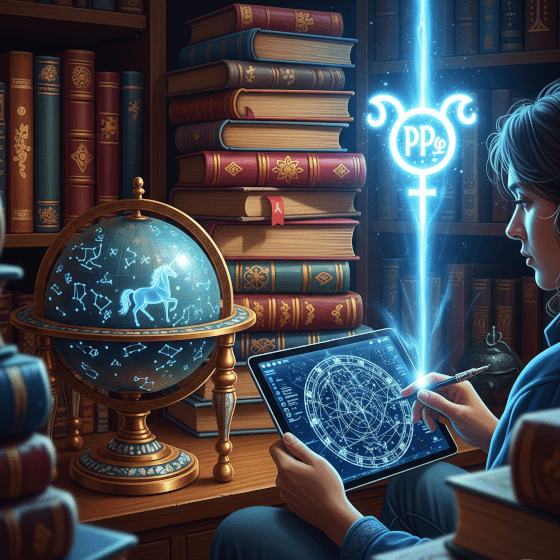
The career could involve helping others, working in healing or creative arts. Or even facing challenges with clarity and boundaries in your professional life.
Your mission here is to channel that Neptune energy. To bring a spiritual or compassionate dimension to your work, and to be wary of illusions or deceptions. This combination is important because it shows how the modern planets act as modifiers. With that adding a layer of depth and complexity to the traditional astrological story. It’s a key to understanding why your life might not fit the conventional mold and is a massive step in self-awareness and personal growth.
The Role of Modern Planets in Collective Consciousness
When we zoom out, we see that integrating the modern planets in traditional astrology helps us move beyond a purely personal, ego-centric understanding of our chart. It connects your individual story to the collective journey of humanity. Your struggles with Pluto are not just “your” struggles. They are a microcosm of the great cycles of death and rebirth that society is also experiencing. Your quest for Uranus-inspired freedom is a reflection of the collective drive for innovation and equality.
This perspective gives you a sense of purpose and a deeper understanding of your place in the universe. It helps you see that the challenges you face are not punishments, but rather catalysts for growth. It connects your personal empowerment to the broader astrology of the times. Showing you that your journey, your personal growth, is part of something much, much bigger. The awareness you gain from this approach is not just about you. It’s about your connection to the cosmos and the collective human story.
Your Journey to Self-Empowerment

You are the hero of this story, Wayfinder, and your journey is unique and significant. By weaving the modern planets into the rich tapestry of a traditional system, you’re not just reading a map; you’re becoming the cartographer. You’re gaining a deeper, more profound understanding of the forces that shape your life, allowing you to navigate with greater confidence, purpose, and awareness.
If this conversation sparked an “aha” moment for you, if you’re hungry for more insights like these, I encourage you to join our community. Subscribe for the latest news about astrology, mental health, and personal growth-related articles. Remember, the stars don’t dictate your destiny; they reveal your potential. The choice to step into your power, to use this knowledge for your empowerment, is always yours!