Estimated reading time: 12 minutes
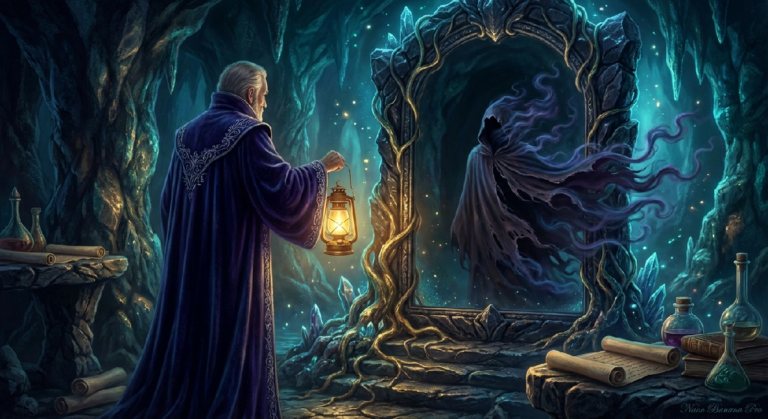
Understanding the shift between victim mentality vs hero mentality is the ultimate “aha” moment for anyone learning how to stop playing the victim and reclaim their mental well-being.
The Hero’s Script: Rising Above the Victim Narrative
Hello, Seekers and Wayfinders! This article will show you how to stop playing the victim by mastering the transition from a victim mentality vs hero mentality. Sometimes it feels like life is a movie where everything goes wrong. Consequently, you feel tired, stuck, and powerless. We are going to solve this by showing you how to pick up the pen and rewrite your story. This is the secret to feeling strong and finding inner peace. But how do you know if you are accidentally playing the victim right now? What if your biggest problems are actually just plot twists waiting for a hero? And what is the one “superpower” you already have that can change your mood in seconds?
So, pull up a chair, make yourself comfortable—perhaps grab that mug of tea you’ve let go cold while scrolling—and let’s settle in. As your guide and therapist on this winding journey, I’ve seen many travelers pass through my door. They arrive with heavy packs, weary eyes, and a very specific, very persistent story playing on a loop in their minds.
Usually, that story sounds like a tragedy where the world is the villain and they are the collateral damage. But today, we are changing the channel. We are talking about the Victim Role vs. the Hero, and more importantly, how you—yes, you—possess the divine ink necessary to rewrite your internal narrative.
Key Takeaways
- The shift from victim mentality vs hero mentality is crucial for reclaiming mental well-being.
- Recognizing when you’re in the victim role helps you take responsibility and move towards empowerment.
- To stop playing the victim, audit your language, reclaim responsibility, and practice agency in daily choices.
- Adopting a hero mentality fosters resilience, lowers stress, and improves mental health.
- Engage in a 7-day challenge to rewrite your narrative and embrace your role as the hero of your story.
You see, we often view our mental health as something that “happens” to us, like a sudden downpour on a day we forgot our umbrella. But what if I told you that while you can’t control the weather, you are the one holding the pen that describes the storm?

The “aha” moment is this: The difference between a life of quiet desperation and a life of empowerment isn’t the absence of struggle; it’s the role you cast yourself in when the struggle arrives. Are you the character things happen to, or the character who chooses how to respond? This is the core of your personal growth, and today, we’re moving you from the sidelines of your own life right into the center of the frame.
The Nation of Awareness: Identifying the Victim Mentality
In the world of psychology, we often talk about “Locus of Control.” When you are stuck in a victim mentality, your locus is entirely external. You feel like a leaf in the wind, buffeted by your boss’s bad mood, your partner’s silence, or the sheer “unfairness” of the universe. For your mental health, this is exhausting. It creates a state of chronic hyper-vigilance. If you are always the victim, you are always waiting for the next blow.
Let’s look at “Marianne”, a creative professional I worked with. She was brilliant but felt “stuck” in her career. Her narrative was: “My agency doesn’t value my talent, the market is saturated, and I just don’t have the luck others have.” By casting herself as the victim of “luck” and “management,” Marianne unwittingly gave away all her power. Why try if the game is rigged? This led to a cycle of low mental well-being, characterized by lethargy and a lack of self-awareness.
The Nation of Action: How to Stop Playing the Victim
The victim role is actually a sneaky survival mechanism. It’s comfortable. If nothing is your fault, you never have to risk the discomfort of change. But that comfort is a cage. The shift toward the hero mentality doesn’t mean pretending bad things don’t happen. Instead, it means acknowledging the obstacle and asking, “What is the Hero’s next move?” This is the core of personal growth.

It’s the moment you realize that while you didn’t choose the mountain in front of you, you are the one who decides to climb it, go around it, or build a cabin at the base and host a very exclusive party.
To stop playing the victim, follow these steps:
- Reclaim Responsibility: Realize that while you didn’t choose the mountain, you choose the climb.
- Audit Your Language: Notice if you use “victim language” like “I have to” or “It’s not fair.”
- Practice Agency: Make one small choice today that is entirely yours.
The Nation of Power: Victim Mentality vs Hero Mentality

To navigate your life path, you must recognize when your internal compass is skewed. We all slip into the victim role occasionally—usually when we’re tired or overwhelmed—but staying there creates a toxic environment for our mental health.
5 Reasons the Hero Mentality Improves Well-being:
- Autonomy and Agency: Reclaiming agency lowers cortisol. When you embrace the Hero role, you reclaim your “agency.” This lowers cortisol levels (the stress hormone) because you no longer feel helpless. You move from “I can’t” to “How can I?”
- Resilience (The “Bounce-Back” Factor): You view setbacks as plot twists, not the end of the story. Research in positive psychology shows that those with an internal narrative of resilience recover from trauma significantly faster. You view setbacks as “plot twists” rather than “The End.”
- Healthy Boundaries: Heroes seek collaboration rather than just “help”. This creates balanced, healthy boundaries and fosters genuine mental well-being within your social circle. Victims, however, often inadvertently drain their “helpers.”
- Neuroplasticity: Rewriting your thoughts literally re-wires your brain. By consciously rewriting your thoughts, you are literally re-wiring your brain. You strengthen the neural pathways associated with problem-solving rather than those associated with the “freeze” response.
- Physical Vitality: Empowerment often reduces tension headaches and fatigue. It’s a fact—mind-body connection is real. Those who feel empowered often report fewer tension headaches, better digestion, and improved sleep quality because the “weight of the world” is no longer pressing on their chest.
The Nation of the Shadow: Signs of Imbalance
Conversely, staying in an imbalanced victim state has dire consequences. Statistics suggest that victim-playing is highly correlated with clinical depression and anxiety disorders. Physically, this often manifests as chronic fatigue—the body’s way of saying, “I give up.” When imbalanced, you might find yourself “catastrophizing” (expecting the worst-case scenario) or “personalizing” (thinking everything bad is a direct reflection of your worth). You might feel a heavy sensation in your limbs or a constant “fog” in your mind. This is the signal that your internal narrative has become a prison. Identifying these imbalances isn’t about self-judgment; it’s about noticing the “Low Fuel” light on your dashboard so you can pull over and refuel with self-awareness.
The Bigger Picture: Your Life as a Masterpiece in Progress
Zooming out, we can see that the battle between the Victim and the Hero is the quintessential human story. Every myth, every legend, and every blockbuster movie follows this arc. And yes, we are using it also. Why? Because it’s the journey of the human soul. On your life path, you aren’t just walking; you are becoming.

In daily life, the “Hero” doesn’t wear a cape. The Hero is the person who, after a grueling day at a “helping” profession, realizes they are feeling resentful and says, “I need to set a boundary,” instead of, “Nobody appreciates me.” The Hero is the creative who receives a rejection letter and thinks, “This is a lesson in refining my craft,” rather than, “I’ll never be good enough.”
Practical Insights for the Wayfinder:
- Identify the “Payoff”: Be honest—what do you get out of being the victim? Is it attention? Is it an excuse not to fail? Is it easier to do nothing? Once you name the payoff, you can find healthier ways to meet that need.
- Audit Your Internal Monologue: For one day, listen to your “self-talk.” How often do you use the words “should,” “have to,” or “it’s not fair”? These are victim-markers. Try replacing them with “choose to,” “get to,” or “I am learning.”
- The “Third Person” Trick: If you’re stuck in a spiral, describe your situation in the third person. “The Hero was faced with a difficult client…” It sounds silly, but it creates psychological distance, allowing for clearer personal growth insights.
- Small Wins: Empowerment isn’t built on huge gestures; it’s built on small, consistent choices. Make your bed. Send that one email. Reclaiming 1% of your power today is a victory.
Integrating these insights into your daily life creates a sense of empowerment that no external circumstance can take away. You begin to see challenges not as evidence of your inadequacy, but as the very “training montage” required for your next level of growth.
The 7-Day Challenge: Mastering Your Narrative
Day 1: The Character Audit
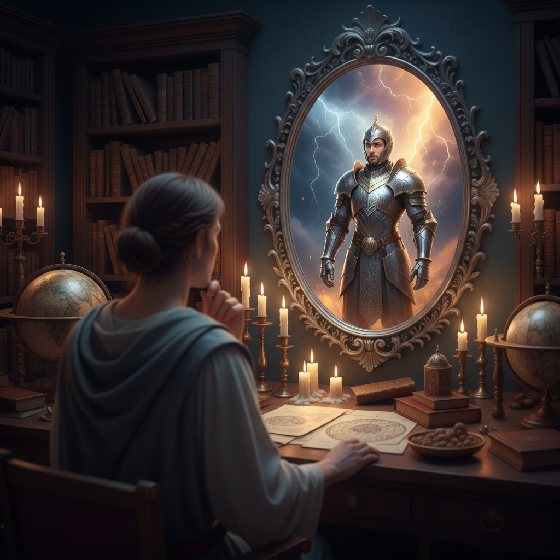
This challenge is a “narrative detox.” We will focus on shifting your perspective from a passive observer to an active protagonist. Each day, spend 10 minutes with your journal to practice how to stop playing the victim.
Day 2: Origin Story Reframing
The Nation of Strength: Find power in past struggles. Think of a difficult event you usually view as a “tragedy.” The Hero’s Task: Write about the resilience you showed during that time. What “superpower” did you develop? This shift is essential in the battle of victim mentality vs hero mentality.
Day 3: Identifying the Antagonist
The Nation of Separation: Separate yourself from the problem. Give your “Victim Voice” a name, like a “Grumbling Goblin.” The Hero’s Task: When that voice speaks, address it directly. Tell it the Hero has everything under control. This builds the self-awareness needed to change your internal dialogue.
Day 4: The Plot Twist
The Nation of Opportunity: Find the hidden lesson. Choose a current frustration, such as a broken appliance or a minor conflict. The Hero’s Task: Write a “Plot Twist” for it. Explain how this delay is actually the perfect time for a positive action. This is a practical way to learn how to stop playing the victim.
Day 5: The Supporting Cast
The Nation of Community: Build your own group. Even the greatest Heroes have a team. Who sees you as a Hero? The Hero’s Task: Reach out to one “Wayfinder” friend today. Acknowledge their role in your journey. Inner peace is rarely a solo mission; it thrives on connection.
Day 6: The Body Language of a Hero
The Nation of the Body: Connect the physical to the mental. How does a victim sit? How does a Hero stand? The Hero’s Task: Today is about mental well-being through physical action. For 2 minutes, strike a “power pose” with your shoulders back. Notice how your internal narrative changes when your physiology shifts.
Day 7: Writing the Next Chapter
The Nation of the Future: Intentional manifestation. Imagine yourself one year from today living in a state of empowerment. The Hero’s Task: Write a “letter from the future” to your current self. Describe the mountain you climbed. End with: “I am the author, and the best part of the story is just beginning.”
Ready to Start the Quest?
This challenge is a powerful way to turn the “aha” moments from the article into lasting habits. It’s about moving from knowing you’re a Hero to acting like one.
Closing the Chapter: Your Quest Continues
We have walked quite a road again today, Seeker. Recognizing the “Victim” within can be uncomfortable—it’s like looking at a bad haircut in a bright mirror—but it is the essential first step toward becoming the Hero of your story. Remember, the Hero is not the one who never falls or fails; the Hero is the one who, despite the bruises, decides the story isn’t over yet.
You are on a magnificent quest. Your mental health is the vessel, and your narrative is the sail. Which way are you pointing it today?
Key Takeaways for Your Journal:
- The Script is Editable: You are the author. If you don’t like the current chapter, grab the pen.
- Responsibility = Freedom: Taking responsibility for your reaction is the ultimate act of self-awareness.
- The Path is Progress: Moving from Victim to Hero is a practice, not a destination. Give yourself grace!
I would love to hear from you. Which part of your “internal script” are you ready to rewrite? Leave a comment below—our community of Wayfinders is here to cheer you on.
If you’re looking for a deeper dive into how your unique “cosmic blueprint” influences your mental health narrative, I invite you to join our community at Mental Health Astrology for the latest insights on mental well-being and personal growth. And for those ready for 1-on-1 guidance on their quest, explore our professional coaching possibilities to find the support you deserve.
The road continues, Hero. I’ll see you at the next waypoint!