Estimated reading time: 10 minutes
If you feel like a ghost in your own life, rebuilding identity after loss is the most courageous journey you will ever take. When life changes suddenly, you may feel like you have lost your core self. This article helps you stop feeling “invisible.” Consequently, it shows you how to rebuild your inner strength.
Do you wonder who is looking back in the mirror? Are you tired of feeling lost? Specifically, it is time to find out how your inner Sun can shine again.
Key Takeaways
- Rebuilding identity after loss involves a courageous journey to rediscover your core self after a significant change.
- An identity crisis often blurs the boundaries of self, leading to feelings of depersonalization and confusion.
- Recognizing that identity is fluid, not fixed, allows for personal growth and resilience after loss.
- Balancing your identity is vital for emotional regulation, clarity in decision-making, and authentic connections.
- The process of meaning-making from loss can empower you to create a new, enriching narrative for your life.
Greetings, brave Wayfinders and curious Seekers! Pull up a chair, make yourself comfortable, and take a deep breath. If you’re here, it’s likely because the map you’ve been using to navigate your life has suddenly—and perhaps quite painfully—lost its “You Are Here” sticker.
As a therapist, I see this moment often. You’ve been traveling your lifepath with a clear sense of direction, playing your roles with heart and soul. Perhaps you were a partner, a caregiver, a professional at the top of your game, or a child to a parent who was your north star. And then, the landscape shifted. A loss occurred—not just the loss of a person or a job, but the loss of the version of you that existed in relation to them. Now, you’re standing in the middle of what we call an identity crisis.
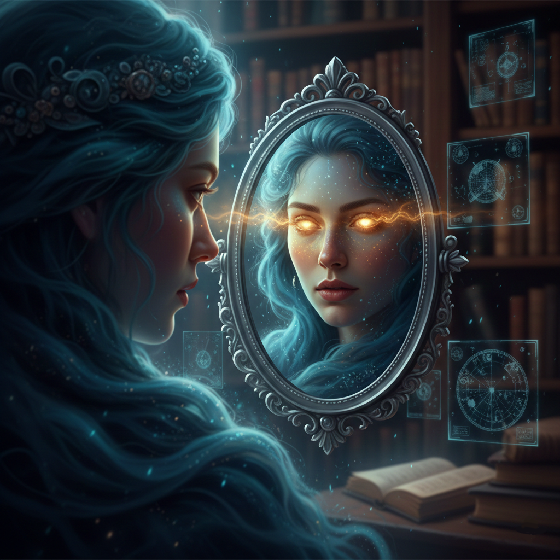
In our last session together on this journey, we talked about the obstacles on the path. Today, we face the thickest fog of all: the moment the Hero looks in the mirror and asks, “Who am I now?” This isn’t just a detour; it’s a profound rite of passage. In the language of the stars, this is the realm of the Sun. The Sun represents your core essence, your vitality, and your “I Am” presence. When loss strikes, it’s as if an eclipse has moved over your internal Sun. It’s dark, it’s chilly, and the birds have stopped singing.
But here is your first “aha” moment: An eclipse is a temporary alignment, not a permanent transformation of the Sun itself. Therefore, your light hasn’t gone out; it’s just being redefined.
Understanding the Journey of Rebuilding Identity After Loss
When we talk about mental health and personal growth, we often treat “identity” like a solid brick. We think, I am a teacher, or I am a spouse. In contrast, identity is like a flame. It needs fuel and space to breathe. When loss takes away the fuel (the person, the role, the dream), the flame flickers.
An identity crisis after loss is a psychological state where the boundaries of the self become blurred. Consequently, you might feel a sense of “depersonalization,” where you move through your day like a ghost in your own life. For the “Seekers” among us this is particularly jarring. You are used to being the one with the answers, the one who holds space for others. When your own inner peace is shattered, the emotional struggle is exhausting.

Why the Sun “Forgets” How to Shine
Think of a client of mine. She spent twenty years as a dedicated nurse and a wife. When she lost her husband and retired in the same year, she didn’t just grieve; she vanished. She told me, “I don’t know what to buy at the grocery store because I only know what he liked.”
This is the core of the crisis: your self-awareness has been so intertwined with another. Consequently, your own Natal Sun has forgotten how to shine independently.
The significance of this for your mental well-being cannot be overstated. If left unaddressed, this crisis can lead to prolonged depression or chronic anxiety. However, if we view it through the lens of the Hero’s journey, this “void” is actually fertile ground. It is the “liminal space”—the threshold between who you were and who you are becoming. It is the most honest place you will ever be.
5 Pillars for Reclaiming Your Sense of Self
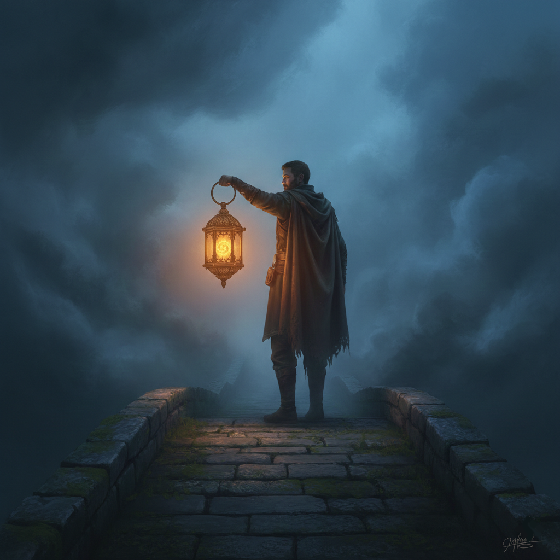
To find your way back, we must look at how your Identity Energy (your inner Sun) is manifesting. In personal growth, we strive for a balanced expression of self. When your identity is balanced, you possess a healthy ego—one that is resilient, warm, and clear-purposeful. When imbalanced, you either disappear into the shadows or burn too brightly out of desperation to be seen.
Why balancing your identity is vital
- Emotional Regulation: When you have a firm grasp on who you are, you aren’t easily tossed about by the opinions of others. You become the anchor in your own storm, leading to sustained inner peace.
- Physical Vitality: There is a direct link between identity and the body. Specifically, purpose boosts your energy levels. Finding yourself again literally strengthens your heartbeat.
- Boundary Setting: A balanced “Sun” knows where it ends and others begin. This prevents “helper burnout,” a common obstacle for those in creative or therapeutic fields.
- Decision-Making Clarity: Your core values act as an internal compass. Consequently, “Yes” and “No” become easy.
- Authentic Connection: You can only truly meet another person to the depth that you have met yourself! Reclaiming your identity allows for deeper, more honest relationships. You must meet yourself first.
Recognizing the Warning Signs of Imbalance
If you are struggling, you might recognize these imbalanced manifestations:
- The Shadow (Dimmed Sun): Feeling invisible, lethargic, or like a “chameleon” who just blends into what others want. You might experience physical “heaviness” or a desire to sleep excessively.
- The Flare-Up (Over-active Sun): An obsession with “reinventing” yourself too fast—buying a new wardrobe, changing jobs, or jumping into a new relationship to avoid the pain of the void. This leads to high cortisol, “tired-but-wired” states, and eventual burnout.
Specifically, research from the Journal of Loss and Trauma suggests that “meaning-making” is key. Those who integrate loss into a new identity show higher resilience. It shows significantly higher levels of mental well-being and resilience than those who try to “return to normal.”
The “normal” you knew is gone, Wayfinder. We are building something better!
The Bigger Picture: Practical Steps to Find Yourself Again After Loss
Let’s zoom out for a moment. In the grand tapestry of your life, this identity crisis feels like the end of the book. But look closer.
In mental health, we recognize that the self is “multitudinous.” You are not just one role.
Think of your life as a solar system. For a long time, perhaps your “Sun” was orbiting a specific person or career. Now that the center of that system is gone, all your planets are flying off into space. It feels like chaos. However, this is the moment where you get to become the center of your own universe again. This is empowerment in its rawest form.

How to apply the “Wayfinder” Method:
How do we practically apply this? If you’re a creative prone to worry, your mind is likely spinning a thousand “what if” scenarios. Here is how you handle the obstacles:
- The “Micro-Identity” Hack: Don’t try to figure out who you are for the next ten years. Figure out who you are for the next ten minutes. “I am a person who enjoys this specific cup of tea.” “I am a person who likes the color blue.” These small anchors of self-awareness eventually build a new foundation.
- Audit Your Roles: Write down all the roles you’ve played. Now, circle the qualities you brought to those roles that belong to you. If you were a “nurturing spouse,” the “nurturing” part is yours. It didn’t die with the relationship. You can carry that fire to a new hearth.
- Embrace the “I Don’t Know”: In our society, we are pressured to “have it all together.” As a Seeker, give yourself the radical permission to be “under construction.” When someone asks what’s next, it is a sign of immense strength to say, “I’m currently rediscovering that. It’s an adventure.”
Remember, the Hero doesn’t win by fighting the fog; the Hero wins by keep walking through it until the Sun rises. And it always rises again!
Final Thoughts for the Wayfinder

You’ve made some great progression today, Seeker. Acknowledging that you are in an identity crisis is the first step toward inner peace. You aren’t “lost”; you are simply in a period of profound recalibration.
As we continue this journey on your lifepath, remember that your mental health is a garden that requires both sunshine and the occasional storm to grow. You have the tools, the heart, and the starlight to guide you.
Key Takeaways for the Wayfinder:
- Loss of role is not equal to Loss of self. Your core essence (the Sun) is still there, even if obscured.
- The “Liminal Space” is fertile. Use this time of “not knowing” to weed out old beliefs that no longer serve your personal growth.
- Balance is key. Watch for the “Shadow” (withdrawing) or the “Flare-up” (rushing) and aim for steady, small steps.
- Meaning-making is your superpower. The story you tell yourself about this loss determines your path to empowerment.
What about you? Have you ever felt like you “disappeared” after a major life change? How did you find the first crumb of yourself again? Leave a comment below—our community of Wayfinders is a safe space for sharing these “aha” moments.
If you want to dive deeper into how the stars and your psychology intersect, I invite you to join our community. We share the latest insights on mental health, astrology, and the path to well-being.
And for those of you who feel the need for a more personalized map—perhaps a one-on-one coaching session to look at how you can navigate your personal crisis—check out our professional coaching possibilities here.
Until next time, keep your face toward the light. You are doing much better than you think you are!